
Rancher

Farmers and ranchers raising calves now have access to the free Calf Care and Quality Assurance (CCQA) program online. Certification through CCQA helps ensure optimal calf health and welfare.

When the Road 702 wildfire blew through southwest Nebraska, fellow ranchers and community members ‘answered the call’ in more ways than one.

Wildfire threats are not over in Texas, but preliminary estimates from early March through the end of April put losses to ranchers at $23.1 million from multiple fires that covered 433,000 acres.

Why are we importing beef, especially processed beef, from Brazil? Why aren’t we and all the environmental groups working together to hit DC like Jan. 6, demanding we stop importing that stuff.

In production agriculture, the output is largely a commodity. But whether the output is commodity or differentiated, the system of how the output is produced matters as much as the output itself.

Recognizing the need for research means cattle producers, scientists, and many other stakeholders agree there are opportunities to improve diverse areas of cattle health and well-being, production, and economics.

Established product requirements in the beef industry may differ somewhat from one segment of the industry to the next, but there are some common expectations fundamental to each.

As the Calf Canyon/Hermits Peak fire continues in New Mexico, Texas Panhandle residents are under a severe fire risk warning with high temperatures and high winds forecast all week.
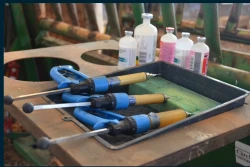
Vaccination plans are only one pillar in an effective herd health program and should be viewed as a mechanism to minimize risk of disease.

Boxed beef prices have come down from a period of extremely strong demand and adjusted down from a counter-seasonal January peak to current levels, 11.2 percent lower compared to the last week of January.

Opponents of American Foods Group’s proposed Missouri packing plant have appealed the conditional permit granted for the facility and a hearing is scheduled for later this month.

TSCRA reminded the committee ranchers and landowners are right beside law enforcement officers on the front lines of the battle, confronting regular thefts, burglaries, damaged infrastructure and armed intimidation.

“Don’t shoot where the duck is. Shoot where he’s going to be.” It’s a lesson Steve Cornett thinks some young cattle folk need to consider.

Focus on factors like body condition score and estrus intensity for breeding season success.

With exploding populations, our working lands are developed, subdivided and converted to other uses diminishing these benefits. As a result, it is harder for cattle raisers to find affordable rangeland for livestock.

A solid annual forage strategy can produce cost-effective, high-quality feed, and for some varieties, aftermath grazing.

Undoubtedly, consumers increasingly want more transparency. But reference to “where food comes from” invokes very specific connotations – beyond just country-of-origin.

Every re-treatment puts additional stress on calves and reduces profit due to additional medicine and labor. But waiting too long to re-treat calves that need an additional dose can increase the number of sick calves.

The 7th Annual Gardiner Angus Ranch “Meating Demand” bull sale was held Monday, May 2, 2022, at the ranch near Ashland, Kansas.

A new poll of global consumers suggests they’re not giving up beef burgers for environmental reasons, but the study itself maligns livestock production with faulty claims.

Addressing the water needs of cattle is a complex process depending on water quality, weather patterns, time of day, feed moisture content, and animal factors such as bodyweight and stage of production.

Canada Beef will spend $3.6 million to promote Canadian beef and veal exports globally and enhance awareness of the value proposition created by farmers and other participants within the beef and cattle supply chain.

Extension beef cattle specialists from four northern plains universities are accepting registrations for the series, titled “Mineral Nutrition for the Beef Cow Herd.”
The fast pace of cow slaughter thus far implies the likelihood of significant beef cow herd liquidation in 2022. The next few months will likely have impacts on the cattle industry for several years.

Gross incomes for both cattle and hog producers were up double digits from 2020 to 2021, according to a recent report from USDA’s National Agricultural Statistics Service.

The number of heifers on feed does not suggest heifer retention for herd expansion, and the current pace of cow slaughter suggests the beef cow herd could decline up to four percent in 2022.

An emergency preparedness plan can assist a cattlemen’s ability to respond to varying threats. Developing a disaster plan is a good idea for both people and all the animals they care for on a farm or ranch.

Cattle sold steady to firm and cattle feeders should still have a few weeks to try to push the market higher before cattle inventories increase.

Cash cattle trade was active at steady prices while cattle futures saw sharp losses triggered by USDA’s bearish Cattle on Feed report, with chart breakdowns fueling technical selling.

Rather than running to the politicians to solve a problem, perhaps the better strategy might be to gather a plan to create a better understanding of the economics of the industry.