
Drovers

The House Select Committee on the Coronavirus Crisis alleges meat packers pressed “baseless” claims of beef and pork shortages early in the pandemic to persuade the Trump Administration to keep operations running.

South American imported beef containing hard plastic is found in U.S. Whole Foods stores across the country.

Brazilian meatpacker JBS SA posted a first-quarter profit that beat expectations on the back of strength in its United States business, according to a financial statement on Wednesday.

Biden says Ukraine has 20 million tons of stored grain awaiting export to various countries. He says lack of port movement coupled with halted planting in Ukraine will ignite a global food crisis unless action is taken.

Estrus synchronization can be an important management tool to get cows settled as early in the breeding season as possible and get cows bred to bulls with highest possible genetic value.

Growing a successful, sustainable ranching operation is a marathon, not a sprint. It takes commitment, vision, long-term planning and the forethought to know that your decisions will affect the operation for generations.

Farmers and ranchers raising calves now have access to the free Calf Care and Quality Assurance (CCQA) program online. Certification through CCQA helps ensure optimal calf health and welfare.

John Deere announced it has established an allied agreement with Mike and Jason Grady of Twin Pak to better serve existing and future John Deere small square baler customers in the United States.

When the Road 702 wildfire blew through southwest Nebraska, fellow ranchers and community members ‘answered the call’ in more ways than one.

Wildfire threats are not over in Texas, but preliminary estimates from early March through the end of April put losses to ranchers at $23.1 million from multiple fires that covered 433,000 acres.

Why are we importing beef, especially processed beef, from Brazil? Why aren’t we and all the environmental groups working together to hit DC like Jan. 6, demanding we stop importing that stuff.

John Phipps breaks down the 900 million acres of farmland in the U.S. by land use and answers a looming question about if the U.S. has enough farmland to feed America.

Diesel prices hit historic highs this week. Due to increased demand and a drop in production, a diesel shortage may be looming as the largest diesel distribution hub in the U.S. is sitting on supplies at a 30-year low.

In production agriculture, the output is largely a commodity. But whether the output is commodity or differentiated, the system of how the output is produced matters as much as the output itself.

Recognizing the need for research means cattle producers, scientists, and many other stakeholders agree there are opportunities to improve diverse areas of cattle health and well-being, production, and economics.

Established product requirements in the beef industry may differ somewhat from one segment of the industry to the next, but there are some common expectations fundamental to each.

As the Calf Canyon/Hermits Peak fire continues in New Mexico, Texas Panhandle residents are under a severe fire risk warning with high temperatures and high winds forecast all week.
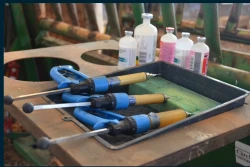
Vaccination plans are only one pillar in an effective herd health program and should be viewed as a mechanism to minimize risk of disease.

Boxed beef prices have come down from a period of extremely strong demand and adjusted down from a counter-seasonal January peak to current levels, 11.2 percent lower compared to the last week of January.

Opponents of American Foods Group’s proposed Missouri packing plant have appealed the conditional permit granted for the facility and a hearing is scheduled for later this month.

Tyson Foods Inc TSN.N raised its full-year sales outlook on Monday after soaring meat prices helped the U.S. processor beat quarterly revenue and earnings estimates.

TSCRA reminded the committee ranchers and landowners are right beside law enforcement officers on the front lines of the battle, confronting regular thefts, burglaries, damaged infrastructure and armed intimidation.

While most beef production operations are still pasture-based, confinement facilities are gaining traction in the U.S. With them come a host of routine health concerns for veterinarians and producers.

“Don’t shoot where the duck is. Shoot where he’s going to be.” It’s a lesson Steve Cornett thinks some young cattle folk need to consider.

Focus on factors like body condition score and estrus intensity for breeding season success.

Demand for U.S. beef continues on a record-setting pace in March while pork exports were the largest of the year, yet well below last year’s record set in March.

With exploding populations, our working lands are developed, subdivided and converted to other uses diminishing these benefits. As a result, it is harder for cattle raisers to find affordable rangeland for livestock.

A proposed Clean Water Act regulation that could affect millions of acres of farmland is moving forward. Still, SCOTUS will hear a case that will clarify what CWA covers, likely sending it back to the drawing board.

A solid annual forage strategy can produce cost-effective, high-quality feed, and for some varieties, aftermath grazing.

Undoubtedly, consumers increasingly want more transparency. But reference to “where food comes from” invokes very specific connotations – beyond just country-of-origin.