
Feedyard

Fed cattle markets have seen challenges in January. The Omicron variant is pressuring packing plant efficiency through increased worker absence, resulting in much smaller slaughter totals so far this month.

Absenteeism at major packing plants due to coronavirus has again helped create a backlog of market-ready fed cattle. Packers used that fact to push fed cattle prices lower last week.

Labor issues continue to plague the packing industry with this week’s slaughter volume lighter than anticipated. Worker absenteeism due to COVID has hindered packers’ ability to run full throttle and prices suffered.

Evaluating market fundamentals has led most analysts to project stronger price trends over the next few years. But just how high could prices go? Studying market patterns over the last 30 years provides valuable clues.

Developers of Cattlemen’s Heritage Beef Company are seeking investors for a proposed $450-million beef packing facility to be built in western Iowa south of the Omaha/Council Bluffs area.

Is the Biden Administration’s plan for the beef industry workable, or does it ignore the economics of market structure and pricing across the meat industry supply chain?

Cattle and beef market dynamics the past year were nothing if not volatile, and in some ways, unprecedented. Supply chain imbalances and processing sector issues have been the focal point of beef price inflation.
Packers needed cattle last week and pushed the cash market higher as the holiday-shortened weeks came to a close.

Cattle markets have improved significantly in the final weeks of 2021, with market analysts projecting those positive trends to continue in 2022.

During the past six months, beef consumers have reinforced their preference for product at the top end of the market. Both branded and Prime products have been supported by unprecedented demand.

The December Cattle on Feed report, released on Friday, was the sixth consecutive month of year-over-year decreases in feedlot inventories, though November and December totals were only down slightly.
Cattle feeders anticipated cash cattle prices would be softer since packers were working with holiday-shortened hours last week. Packers will need cattle this week to fill full-week schedules.

Colorado State University will receive grants totaling nearly $1 million to study ways to reduce the risk of feedlot heart disease (FHD), a disease which has increased in recent years.

Optimism that has built in feeder cattle markets in the second half of the year has been enhanced and consolidated with the fed cattle market breaking out and moving sharply higher in the last two months of the year.
Cash bids were scarce last week with packers facing shortened slaughter schedules the next two weeks. Cash prices were $2 lower in all regions.

Through genetic potential, sensors from the environment, and actual practices, producers can predict when an animal is going to be finished or when the animal is going to be optimum in its marketing.
Cattle feeders found softer demand from packers last week, resulting in a $2 per cwt. decline in cash prices. Holiday slaughter schedules the next couple of weeks will likely prevent any price gains until the new year.

Consumers have access to greater differentiation and higher-quality beef products now, more than ever. As a result, beef spending has outpaced the competition since 2000. Cattle prices have risen as a result.

Changes in the beef supply chain in recent years have had an increasingly greater market impact. Pricing cattle off the cutout would provide a negotiating a formula that captures a relevant share of the total value.

December has started off on a high note in the fed cattle sector and all of us on the cattle side of the supply chain should be made well aware of what’s ahead in 2022.

Researchers at Purdue University successfully developed an on-site BRD test that provides results within an hour. The team has steadily advanced the point-of-care technology to address the disease.

Higher prices for cash fed cattle has helped cattle feeders gain currentness and improve their market leverage over the past four weeks.

At the end of November, 69 percent of the U.S. was abnormally dry or worse with over 53 percent in some degree of drought. This could result in another severe round of cow liquidation in the first half of next year.

The Kansas Livestock Association elected Phil Perry of Oskaloosa as its president and Shawn Tiffany from Herrington as the new KLA president-elect during the group’s annual business meeting in Wichita.

Packers have margin to spread back upstream to the feedlot sector at their discretion, and it appears that their need to fulfill orders for high-quality product for upcoming holidays is likely a motivating factor.
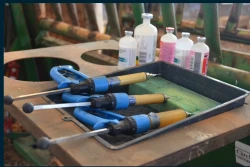
The highest quality vaccine that producers purchase may be of little value if not handled and stored properly. Don’t overlook key principles when preparing and administering vaccines and other animal health products.

Cargill has served notice of a lockout for employees at its High River, Alberta, beef plant if the company and union employees do not reach an agreement before a December 6, deadline.

What does traceability mean for your operation? The U.S. CattleTrace Annual Symposium in Wichita, KS, Nov. 19. concluded with a panel to answer this specific question for attendees.

The recent breakout of fed cattle prices after struggling under the weight of beef packer capacity constraints clears the way for cattle markets to move forward with the optimism that has been building in recent months.

As the marketing year winds down, Sterling Marketing president John Nalivka provides an overview of his market outlook for 2022 and beyond.