
Beef Production

APHIS is providing more than $200,000 dollars in Farm Bill funding to support developing movement decision criteria for sheep and cattle grazing public land allotments during a potential foreign animal disease outbreak.

To improve efficiency of cow-calf operations, it is imperative to identify cattle and maintain accurate production records. Freeze branding is relatively stress-free and causes little or no damage to the hide.

Incorporating Brahman genetics into cattle herds amid changing environmental temperatures in the southwest has one Texas A&M AgriLife team researching the physiological differences to enhance beef quality.

Cattle feeders found softer demand from packers last week, resulting in a $2 per cwt. decline in cash prices. Holiday slaughter schedules the next couple of weeks will likely prevent any price gains until the new year.

December has started off on a high note in the fed cattle sector and all of us on the cattle side of the supply chain should be made well aware of what’s ahead in 2022.

Marie and Glen Nader’s Witcher Creek Ranch in Modoc County has been selected as the recipient of the 2021 California Leopold Conservation Award®.

Low Carbon Beef, LLC, a cattle certification program that enables cattlemen to earn premiums by reducing carbon emissions, announced it has secured approval as a USDA Process Verified Program Service Provider.

The effect of winter weather in terms of frost damage to cattle and calves was less of a problem than expected, according to a survey of producers, veterinarians and feedlots conducted by Oklahoma State University.

Researchers at Purdue University successfully developed an on-site BRD test that provides results within an hour. The team has steadily advanced the point-of-care technology to address the disease.

The Franken-burger is coming, and we must act now to protect consumer confidence and ensure a level playing field, says TSCRA president Hughes Abell, Austin, Texas.

Higher prices for cash fed cattle has helped cattle feeders gain currentness and improve their market leverage over the past four weeks.

At the end of November, 69 percent of the U.S. was abnormally dry or worse with over 53 percent in some degree of drought. This could result in another severe round of cow liquidation in the first half of next year.

Many livestock operations harvested drought-affected crops, annual small-grains or other alternative forages this year. Those drought-stressed forages can be high in nitrates and cause toxicity issues in cattle.

Understanding and valuing genetic data can present a daunting task to seedstock and commercial producers. Panelists were asked to describe how they use genetic data to navigate breeding decisions and market cattle.
Mature Weight (MW) is moderate in heritability (35%) meaning response to selection pressure to downsize cows can be accomplished more effectively. Most beef cattle registries calculate MW EPDs.

Packers have margin to spread back upstream to the feedlot sector at their discretion, and it appears that their need to fulfill orders for high-quality product for upcoming holidays is likely a motivating factor.

Making efficient use of harvested hay continues to represent “low-hanging fruit” in both seedstock and commercial cattle operations.
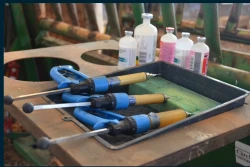
The highest quality vaccine that producers purchase may be of little value if not handled and stored properly. Don’t overlook key principles when preparing and administering vaccines and other animal health products.

Budgets for growing calves at higher rates of gain always have a lower cost per pound gain, and this year budgets for growing heifers have the most profitable projection.

The recent breakout of fed cattle prices after struggling under the weight of beef packer capacity constraints clears the way for cattle markets to move forward with the optimism that has been building in recent months.

After John Moody was ran over by his tractor in March, USPS mail carrier Allen Dix made a life-saving delivery that went above and beyond his job. Dix received the USPS Hero Award for his remarkable rural route rescue.
The week before a holiday is not usually ideal for pushing the market higher, but last week proved to be just the right combination to support a rally.

Cattle prices are higher now compared to last year and are expected to continue improving in 2022. Live and Feeder futures have priced in considerable optimism for 2022.

Market leverage continues to move toward the cattle feeder as prices rose for the third consecutive week. Cattle on feed numbers were slightly lower while placements and marketings were near industry estimates.

Setting stocking rates on wheat pasture in the fall and winter has large impacts on performance of growing calves and can have large influences on productivity of pastures during the spring.

Genetics solutions exist to achieve superior feed efficiency and superior carcass quality. Both are relevant to profitability in cattle production.

Warren County, Missouri, has been selected by American Foods Group (AFG) as the planned location for a new state-of-the-art beef processing facility, pending final approval.

The fall feeder run is in full swing with calf prices moving counter-seasonally higher. It is typical for the middle two weeks of November to have the largest weekly auction totals for the year.

The cash fed cattle market found its way higher again last week, with four or more packers in the market all fighting for cattle every week for the first time in two years.

The rally in cash fed cattle prices continued this week with packers searching for inventory and bidding higher money. Cattle feeders have some leverage for the first time in a long time.