
Beef Production

Although drought cannot be avoided entirely, a good forage management plan will lessen the impact on forages and hasten pasture recovery when growing conditions return.

Most producers provide free choice mineral to cows during grazing season and assume that it provides adequate minerals. However, there are some important factors to consider to ensure mineral requirements are met.

The ongoing drought continues to squeeze available hay supplies and drought this year is a severe threat to 2022 hay production. May 1 hay stocks in the 17 plains and western states were down 17.7 percent year-over-year.

Check out the photographs of nine common problems Dr. Ahmed Tibary, Washington State University, says he most often sees in the sperm of bulls that fail breeding soundness exams.

This week could be very unpredictable in the cattle trade. The North-to-South spread may continue to narrow as calves are still not ready and packers seem to be chasing more mature cattle in the South.

Estrus synchronization can be an important management tool to get cows settled as early in the breeding season as possible and get cows bred to bulls with highest possible genetic value.

Farmers and ranchers raising calves now have access to the free Calf Care and Quality Assurance (CCQA) program online. Certification through CCQA helps ensure optimal calf health and welfare.

Wildfire threats are not over in Texas, but preliminary estimates from early March through the end of April put losses to ranchers at $23.1 million from multiple fires that covered 433,000 acres.

Established product requirements in the beef industry may differ somewhat from one segment of the industry to the next, but there are some common expectations fundamental to each.
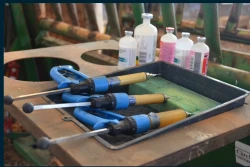
Vaccination plans are only one pillar in an effective herd health program and should be viewed as a mechanism to minimize risk of disease.

Focus on factors like body condition score and estrus intensity for breeding season success.

A solid annual forage strategy can produce cost-effective, high-quality feed, and for some varieties, aftermath grazing.

Every re-treatment puts additional stress on calves and reduces profit due to additional medicine and labor. But waiting too long to re-treat calves that need an additional dose can increase the number of sick calves.

The 7th Annual Gardiner Angus Ranch “Meating Demand” bull sale was held Monday, May 2, 2022, at the ranch near Ashland, Kansas.

A new poll of global consumers suggests they’re not giving up beef burgers for environmental reasons, but the study itself maligns livestock production with faulty claims.

Addressing the water needs of cattle is a complex process depending on water quality, weather patterns, time of day, feed moisture content, and animal factors such as bodyweight and stage of production.

Extension beef cattle specialists from four northern plains universities are accepting registrations for the series, titled “Mineral Nutrition for the Beef Cow Herd.”
The fast pace of cow slaughter thus far implies the likelihood of significant beef cow herd liquidation in 2022. The next few months will likely have impacts on the cattle industry for several years.

Gross incomes for both cattle and hog producers were up double digits from 2020 to 2021, according to a recent report from USDA’s National Agricultural Statistics Service.

The number of heifers on feed does not suggest heifer retention for herd expansion, and the current pace of cow slaughter suggests the beef cow herd could decline up to four percent in 2022.

We can manage only as well as the cow and her offspring will allow us to. If we can produce a “perfect cow,” then we can more easily manage that cow.

An emergency preparedness plan can assist a cattlemen’s ability to respond to varying threats. Developing a disaster plan is a good idea for both people and all the animals they care for on a farm or ranch.

Cattle sold steady to firm and cattle feeders should still have a few weeks to try to push the market higher before cattle inventories increase.

Cash cattle trade was active at steady prices while cattle futures saw sharp losses triggered by USDA’s bearish Cattle on Feed report, with chart breakdowns fueling technical selling.

As winter storms hit the region and families seek to manage their farming efforts in the coming days and weeks, many farmers, farm laborers, agricultural professionals and family members are facing increased stress.

North Dakota’s weather took a sharp turn with a blizzard Easter week. With multiple blizzard making it though for ranchers, and then heavy rain that fell this past weekend, portions of North Dakota are seeing flooding.

Montana’s Office of Consumer Protection estimates that a Canadian company has stolen up to $5 million from Montanans after receiving payments but never delivering the promised product.
Cattle will continue to come in lighter than expected and lose grade due to high ration costs. This could help keep forcing the packer to harvest more cattle than expected to keep their orders filled.

Cash cattle prices saw a surprising but welcome rally ahead of Friday’s Cattle on Feed report, which looks bearish for next week’s futures markets. COF totaled 12.1 million head, 1.7% higher than last year.

Monitoring horn fly numbers on your cattle helps determine proper fly control management. Here are some management ideas for the season ahead!