
Vaccination

Dr. Dan Thomson shares essential tips for injections, needle selection and syringe maintenance to ensure herd health and carcass quality.

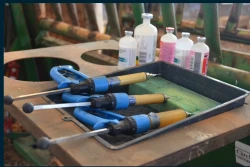
Depending on the size of the animal, viscosity of the product and administration protocols, a variety of needles might be needed. Here’s some guidelines to help decide.

As calving season looms in the not so distant future, the first things that come to my mind is considering plans for pre-calving vaccination of pregnant cows, and thinking about controlling calf scours.

A tailored vaccination schedule and an established relationship with a veterinarian help producers prevent outbreaks and handle emergencies before they start.

With the Asian longhorned tick marching across the U.S., cattle producers now have a new tool in their herd health toolbox: a first-of-its-kind platform vaccine.

Before choosing a vaccine, consider the operation, disease risks, available evidence and when cattle will actually need protection.

From umbilical infections to puncture wounds, learn the red flags of this toxic disease and the life-saving importance of the CD&T vaccine.

From colostrum to cow herd management, vaccination decisions made early in life play a crucial role in long-term success.

Utah rancher Seth Davis developed the VacHolster to solve a common cattle-working frustration: how to keep vaccine syringes secure, clean and accessible while keeping your hands free.

From mastering the “neck triangle” to the one-hour rule for vaccines, these 10 simple reminders ensure your spring treatments are safe, effective and profitable.

Small adjustments in handler positioning and equipment selection can make the difference between a successful treatment and a costly mistake.

Why cumulative exposure matters and how vaccine formulation fits into risk-based herd decisions.

Texas A&M professor shares 8 common stressors that can weaken an animal’s defenses, enabling bacteria to reach the lungs and cause disease.

Even the best vaccine can fail if mismanaged. Dr. Jon Townsend outlines good handling practices to protect your investment and your cattle.

Strategic management, disease prevention and parasite control set replacement heifers up for lifelong productivity.

A comprehensive herd-health program is crucial for the management and prevention of bovine respiratory disease.

The Montana Department of Livestock reports a brucellosis-affected herd in Beaverhead County.

Dr. Taylor Engle of Four Star Veterinary Services shares how producers can improve calf health outcomes by rethinking everything from pre-birth to bunk.

K-State veterinarian Bob Larson says 3% to 5% of calves suffer from pnemonia each year.

Identifying the misunderstandings of parasite control.

Consider these important reminders before opening the pasture gate.

Prevention and early intervention is key to dealing with pinkeye.

Experts at Kansas State University’s Beef Cattle Institute share guidelines for tracking herd health.

Millions of pounds of ground beef are thrown away each year because of foreign material contamination. This is not just about isolated incidents but a widespread practice that needs immediate attention.

Herd management and taking time to plan can help smaller herds create marketing success.

Losses range between $15 and $88 per head, conservatively, a result of reduced herd productivity, health and reproductive efficiency.

Implementing low-stress handling techniques while working cattle can save producers time, money, injury and headaches.

Avoid these common handling and usage mistakes that can lead to vaccines being less effective or completely ineffective.

Needle size matters when using hormones during synchronization protocols for breeding cattle.
As misinformation regarding the use of mRNA vaccines in livestock filter through social media, there are facts begging to be set straight.